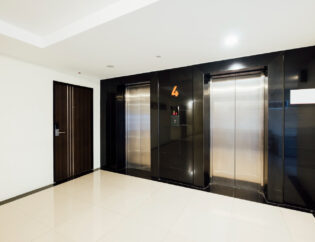
Elevators are used daily in apartment buildings, office buildings, hotels, hospitals and commercial spaces. Although the operation of an elevator seems ordinary to most users, behind every trip there are mechanisms and safety devices that must be checked periodically.
In Romania, the operation of elevators is subject to technical and legal requirements, and the ISCIR elevator inspection is one of the important obligations of building owners and managers.
An expired inspection is not just an administrative problem. It can lead to the elevator being taken out of use, penalties and added risks if a fault occurs.
Below, we explain how often an elevator must be inspected, who can carry out the inspections, what documents are needed and what property managers must do to avoid situations in which the elevator can no longer be operated legally.
What is the ISCIR elevator inspection?
ISCIR stands for the State Inspectorate for the Control of Boilers, Pressure Vessels and Lifting Installations (Inspectia de Stat pentru Controlul Cazanelor, Recipientelor sub Presiune si Instalatiilor de Ridicat), the authority responsible for overseeing compliance with the technical requirements applicable to certain categories of installations and equipment.
For elevators, technical inspections serve to confirm that the equipment meets the conditions required for safe operation.
These inspections can include evaluating the mechanical components, electrical installations, safety devices and technical documentation.
It is important to understand that the periodic technical inspection is not the same as routine maintenance. The two activities have different purposes and complement each other.
How often must the ISCIR elevator inspection be done?
The frequency of inspections depends on the type of elevator, its technical characteristics, the condition of the equipment and the provisions of the applicable technical code.
For elevators covered by technical code PT R 2-2010, the interval until the next periodic technical inspection is set in accordance with the applicable regulations, without exceeding the maximum term they provide.
In practice, for many passenger elevators the maximum interval is two years, but this should not be read as automatic validity for every elevator.
The exact date of the next inspection should be checked in the elevator's official documents.
A piece of equipment may require more frequent inspections depending on its technical condition or on the conditions set at the previous inspection.
Property managers should not assume that all elevators in a building have the same inspection deadline.
Who is entitled to carry out the ISCIR inspection?
The periodic technical inspection must be carried out by competent personnel who hold the legal right to perform this activity for the relevant category of equipment.
Depending on the applicable provisions, the inspection may be carried out by ISCIR specialist inspectors or by authorized, competent personnel designated under the relevant technical framework.
Not every company that performs repairs or maintenance can automatically also carry out the periodic technical inspection.
That is why, before scheduling the work, the property manager must make sure that the person or entity carrying out the inspection has the necessary competencies and authorizations.
What is checked on an elevator?
The aim of the technical inspection is to assess the condition of the equipment and the operation of the devices relevant to safety.
Depending on the type of elevator, the operations can include:
- checking the drive mechanisms;
- inspecting the car and the doors;
- checking the braking systems;
- checking the safety devices;
- assessing the suspension components;
- checking the electrical systems;
- testing the controls and stops;
- examining the technical documentation.
The exact operations are set by the technical codes and procedures applicable to the equipment.
If faults affecting safety are identified, they must be corrected before the elevator can be operated under the conditions required by law.
What documents are needed for the inspection?
The elevator's documentation is important both for carrying out the inspections and for tracking the technical history.
Depending on the situation, the following may be required:
- the elevator logbook;
- the operating authorization documents;
- the record of previous technical inspections;
- the documents on upkeep and repairs;
- the technical intervention reports;
- other documents required by the applicable regulations.
Missing documents can complicate the inspection and may require clarifications or additions before the procedure is completed.
For homeowners' associations, it is recommended to keep these documents together in one place.
What happens if the ISCIR inspection has expired?
The expiry of the inspection deadline is a situation that must be handled immediately.
An elevator whose periodic technical inspection deadline has expired must not be used until the necessary inspections have been carried out and compliance with the operating conditions has been confirmed.
Continuing to operate it without meeting the legal requirements can lead to penalties and can increase the risks for users.
If an incident occurs, the responsibilities of the persons who were obliged to ensure the legal and safe operation of the equipment can also be examined.
It is important to state that the expiry of the inspection does not automatically prove that a fault exists. It does mean, however, that the valid confirmation required to continue operating under the regulated conditions no longer exists.
Who is responsible for an expired inspection?
Responsibility for operating the elevator lies with the owner or the user, in accordance with the applicable legislation and documents.
In apartment buildings, the homeowners' association and the people who manage the equipment must monitor compliance with the obligations on its inspection, upkeep and use.
The maintenance company has its own contractual and legal obligations, but having a maintenance contract does not automatically remove the responsibilities of the elevator's owner.
To avoid problems, it is useful for the responsibilities for scheduling inspections and tracking deadlines to be clearly assigned.
What fines and penalties can apply?
Failure to meet the obligations on the operation of elevators can lead to penalties provided for by Law no. 64/2008.
Depending on the offense found and its legal classification, administrative fines can reach tens of thousands of lei. Certain serious violations can also lead to criminal liability.
Not every expired inspection automatically draws the same penalty. The specific circumstances, the obligation breached and the way the equipment was operated all matter.
For property managers, the immediate risk is that the elevator cannot be used legally until the situation is clarified.
What is the difference between the ISCIR inspection and elevator maintenance?
The two operations are often confused.
Elevator maintenance involves regular upkeep, adjustment, inspection and repair of faults. The goal is to keep the equipment in proper working condition.
The ISCIR periodic technical inspection involves the official assessment of whether the safety requirements are met and determining whether operation may continue.
An elevator can receive regular maintenance and still have an expired technical inspection.
Similarly, a valid inspection does not remove the obligation to carry out upkeep work.
What should you do if the elevator inspection has expired?
The first step is to stop using the elevator and inform the people responsible for managing it.
Next, the maintenance company must be contacted to assess the situation and organize the necessary inspections.
If faults are identified, they must be corrected by personnel authorized for those activities.
The elevator may be put back into operation only after the applicable legal and technical conditions have been met.
How do you avoid letting the ISCIR inspection expire?
For homeowners' associations and building managers, prevention is simpler than dealing with an elevator that is out of service.
It is recommended to set up a record-keeping system that includes:
- the date of the last inspection;
- the deadline for the next inspection;
- the company responsible for upkeep;
- the history of faults;
- the interventions and repairs carried out;
- the authorization documents.
Scheduling the inspection well before it expires allows the work to be organized and any technical problems to be fixed.
Frequently asked questions about the ISCIR elevator inspection
Is the ISCIR inspection done every year?
Not necessarily. For elevators governed by PT R 2-2010, the interval until the next inspection can be a maximum of two years. The actual deadline is the one set and recorded in the inspection report.
Can the elevator keep running if the inspection expired a few days ago?
No. The technical code does not allow the elevator to be used after the validity period of the authorization for continued operation has been exceeded.
Can the maintenance company carry out the ISCIR inspection?
The inspection can be carried out by the competent personnel provided for by the regulations, including RVTA, under the conditions set by the technical code. The mere fact that a company provides maintenance does not mean that any employee can carry out the inspection.
Who pays for the ISCIR inspection in an apartment block?
Usually, the expense is borne by the homeowners' association, according to the rules applicable to shared expenses and the contracts concluded.
What happens if the elevator fails the inspection?
Non-conformities are recorded, and authorization for continued operation is not granted. The problems must be corrected, following the applicable re-inspection procedures.
Conclusion
The ISCIR elevator inspection is an essential condition for the legal and safe operation of elevators. For equipment governed by PT R 2-2010, the interval between periodic technical inspections cannot exceed two years, and the specific deadline is set according to the characteristics and condition of the elevator.
Exceeding this deadline means the elevator can no longer be used legally until the conditions necessary for continued operation are met.
For homeowners' associations, building managers and owners of commercial spaces, meeting inspection deadlines, working with authorized companies and carrying out preventive maintenance are essential measures for avoiding penalties, reducing faults and protecting users.